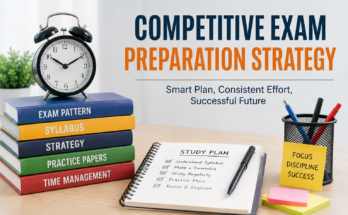

Getting a scholarship is one of the best ways to reduce the financial burden of education. I have always believed that scholarships are not only for students with perfect grades. Many organizations look for students with dedication, leadership, creativity, and a clear vision for their future. The biggest mistake many students make is assuming they are not good enough to apply. In reality, the only guaranteed way to lose a scholarship is by never submitting an application.
Over time, I have noticed that students who receive scholarships often follow a smart strategy instead of simply relying on luck. A strong application, careful planning, and attention to detail can make a huge difference. If you are planning to apply for scholarships, these practical tips can help you stand out from other applicants and improve your chances of success.
Start Your Scholarship Search Early
One of the most important lessons I have learned is that starting early gives you a major advantage. Many scholarships have strict deadlines, and waiting until the last week usually leads to rushed applications and unnecessary mistakes.
I prefer creating a list of scholarships several months before the deadlines. This gives enough time to collect documents, write essays, request recommendation letters, and review everything before submitting.
Early preparation also allows you to apply for more scholarships instead of focusing on just one.
Apply for Multiple Scholarships
Many students only apply for one or two scholarships because they think it is enough. I believe this approach limits your chances.
Think of scholarship applications like job applications. The more quality applications you submit, the greater your chances of receiving financial support.
Some scholarships offer large awards while others provide smaller amounts. Even smaller scholarships can cover books, transportation, or living expenses. Several small scholarships together can make a significant difference.
Read Every Requirement Carefully
Before filling out any application, I always read the instructions several times.
Each scholarship has different eligibility requirements. Some are based on academic performance, while others focus on leadership, community service, sports, financial need, or specific career goals.
Missing a required document or ignoring a simple instruction can result in immediate rejection, even if you are an excellent student.
Understanding the requirements before starting helps you avoid unnecessary mistakes.
Keep Your Documents Ready
Most scholarship applications require similar documents. I find it helpful to prepare everything in advance.
Common documents include academic transcripts, certificates, identification documents, passport copies for international scholarships, recommendation letters, personal statements, resumes, and proof of language proficiency if required.
Keeping digital copies organized in separate folders saves a lot of time during application season.
Write a Strong Personal Statement
Your personal statement is often the heart of your application.
Instead of trying to sound overly formal, I believe it is better to write honestly. Scholarship committees want to know who you are, what challenges you have faced, what motivates you, and how the scholarship will help you achieve your goals.
I always recommend sharing real experiences rather than writing generic sentences that could apply to anyone.
Explain your educational goals clearly. Show your passion, your determination, and your future plans.
A personal story often creates a stronger connection than simply listing achievements.
Customize Every Application
One mistake many applicants make is sending the exact same essay to every scholarship.
Although some information remains the same, I think every application should be adjusted according to the scholarship’s purpose.
If a scholarship focuses on leadership, highlight your leadership experiences.
If it supports community service, discuss your volunteer work.
If it encourages innovation, explain your creative projects.
Tailoring your application shows genuine interest and increases your chances of being selected.
Focus on Quality Instead of Quantity
Applying for many scholarships is important, but quality should never be sacrificed.
I would rather submit ten excellent applications than fifty rushed ones.
Every essay should be carefully written.
Every answer should be thoughtful.
Every document should be complete.
Taking extra time to polish your application often produces better results than submitting as many applications as possible.
Choose the Right Referees
Many scholarships ask for recommendation letters.
I believe the best recommendations come from people who actually know your abilities.
Teachers, professors, school counselors, employers, or mentors who have worked closely with you can write stronger and more convincing letters than someone with an impressive job title who barely knows you.
Always ask politely and give them enough time to prepare the letter.
Providing them with your resume and scholarship details also helps them write more personalized recommendations.
Highlight Your Achievements Honestly
Your application should reflect your strengths without exaggerating.
Mention academic achievements, leadership roles, volunteer activities, competitions, internships, projects, sports, or extracurricular activities.
Even small achievements demonstrate commitment and personal growth.
Scholarship committees appreciate honesty more than unrealistic claims.
Be proud of your accomplishments while remaining genuine.
Show Financial Need Clearly
Some scholarships are based on financial need.
If financial circumstances are part of the selection process, explain your situation honestly.
Describe how the scholarship would reduce financial pressure and allow you to focus on your education.
Avoid making your essay sound like a complaint.
Instead, explain how receiving financial support would create opportunities for your future.
Proofread Everything Carefully
Even the strongest application can lose points because of spelling or grammar mistakes.
I always review every application several times before submitting it.
Reading the essay aloud often helps identify awkward sentences.
Asking a trusted teacher or friend to review your work can also improve clarity and catch mistakes that you may overlook.
A polished application creates a professional impression.
Never Miss the Deadline
Deadlines are one of the easiest things to control.
I recommend creating reminders on your phone, calendar, or notebook.
Try to submit your application at least a few days before the official deadline.
Unexpected internet problems, technical issues, or missing documents can happen at the last moment.
Submitting early reduces stress and shows good planning.
Build an Impressive Resume
A well organized resume helps scholarship reviewers quickly understand your background.
Include your education, achievements, volunteer work, leadership experience, internships, certifications, language skills, technical skills, and extracurricular activities.
Keep the formatting clean and easy to read.
Update your resume regularly so it is always ready for new scholarship opportunities.
Participate in Community Service
Many scholarship providers value students who contribute to society.
Volunteering teaches teamwork, responsibility, leadership, and communication skills.
Helping your local community also provides meaningful experiences that can strengthen your personal statement.
Community service does not need to be large.
Even small contributions demonstrate compassion and responsibility.
Prepare for Scholarship Interviews
Some scholarships include an interview after the written application.
Preparation makes a big difference.
Practice answering common questions about your education, career goals, strengths, weaknesses, leadership experiences, and future plans.
Speak confidently while remaining natural.
Interviewers appreciate honesty, confidence, and clear communication more than memorized answers.
Stay Positive After Rejections
Not every application will be successful.
I believe rejection is simply part of the scholarship journey.
Many successful students receive multiple rejection emails before finally winning a scholarship.
Instead of feeling discouraged, review your application, learn from the experience, and continue applying.
Every application improves your writing skills and increases your confidence.
Persistence often leads to success.

Keep Learning About New Opportunities
New scholarships become available throughout the year.
Many students stop searching after submitting a few applications.
I recommend checking scholarship websites, university portals, government programs, and educational organizations regularly.
Joining scholarship newsletters and student communities can also help you discover new opportunities before the deadlines.
Being consistent keeps you ahead of other applicants.
Final Thoughts
Winning a scholarship is rarely about luck alone. In my experience, success comes from preparation, patience, and persistence. Every strong application reflects effort, careful planning, and genuine passion for education. Even if you do not receive the first scholarship you apply for, do not lose confidence. Every application teaches valuable lessons that improve your future chances.
Remember that scholarships are created to support students who are willing to work hard and pursue their dreams. Believe in your abilities, prepare each application with care, and never hesitate to apply. The opportunity that changes your educational journey may be just one application away.
.